Entry · Ref Y9VXAHBL
How to Choose the Right Desert Safari Dubai Price for Your Trip
- Posted
- 2026-11-17
- Last amended
- 2026-11-17
- Account
- @dubaidesertsafarishop
Understanding What You Are Paying For
Picking a desert safari in Dubai can feel like comparing apples to oranges when every operator offers a different price. The number you see often reflects more than just a dune drive. It covers the vehicle type, the duration, the meals, the entertainment, and sometimes even the size of the group you will join. Before you compare prices, you need to know what each package actually includes.
Start by listing the experiences that matter most to you. Do you want a quiet sunset with a barbecue under the stars, or do you prefer a high-energy evening with sandboarding and a belly dance show? Each component adds or subtracts from the final cost. A basic evening safari usually includes a short dune drive, a camel ride, a buffet dinner and a few cultural performances. A premium option might add a private 4x4, a longer drive into deeper dunes, a separate dining area and a dedicated guide. Knowing your own priorities makes it easier to compare apples with apples.
Step 1: Decide on the Type of Safari
The first decision is whether you want a morning, evening or overnight safari. Morning safaris tend to be cheaper because they are shorter and include fewer extras. You get a dune drive, a brief stop for photos and sometimes a light breakfast. Evening safaris are the most popular and cost more because they include dinner and entertainment. Overnight safaris are the most expensive, as they cover dinner, a camp stay and breakfast the next day.
Another key choice is between a shared safari and a private one. Shared safaris are the most affordable because you split the vehicle and guide with a group. Private safaris cost more but give you flexibility on timing, route and stops. If you are travelling with a family or a small group, a private option can feel more comfortable and less rushed. However, if you are happy to meet new people, a shared tour can be a great way to save money.
Step 2: Compare Vehicle Options
The vehicle used for the dune drive has a big impact on the price. Standard safaris use a modified 4x4, usually a Land Cruiser or similar SUV, driven by an experienced guide. These vehicles are built for the dunes and offer a thrilling ride. Some operators also offer dune buggies or quad bikes as an upgrade. Those options cost extra and are usually booked separately.
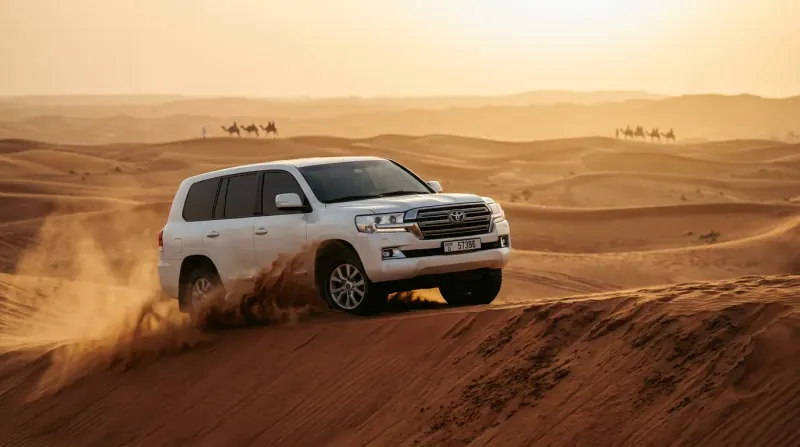
If you are prone to motion sickness or prefer a smoother ride, ask about the vehicle type. Larger groups might be transported in a minibus, which is less suited for deep dunes and often costs a little less. For the classic dune-bashing experience, a dedicated 4x4 is the best choice.
Step 3: Check What Is Included in the Evening Program
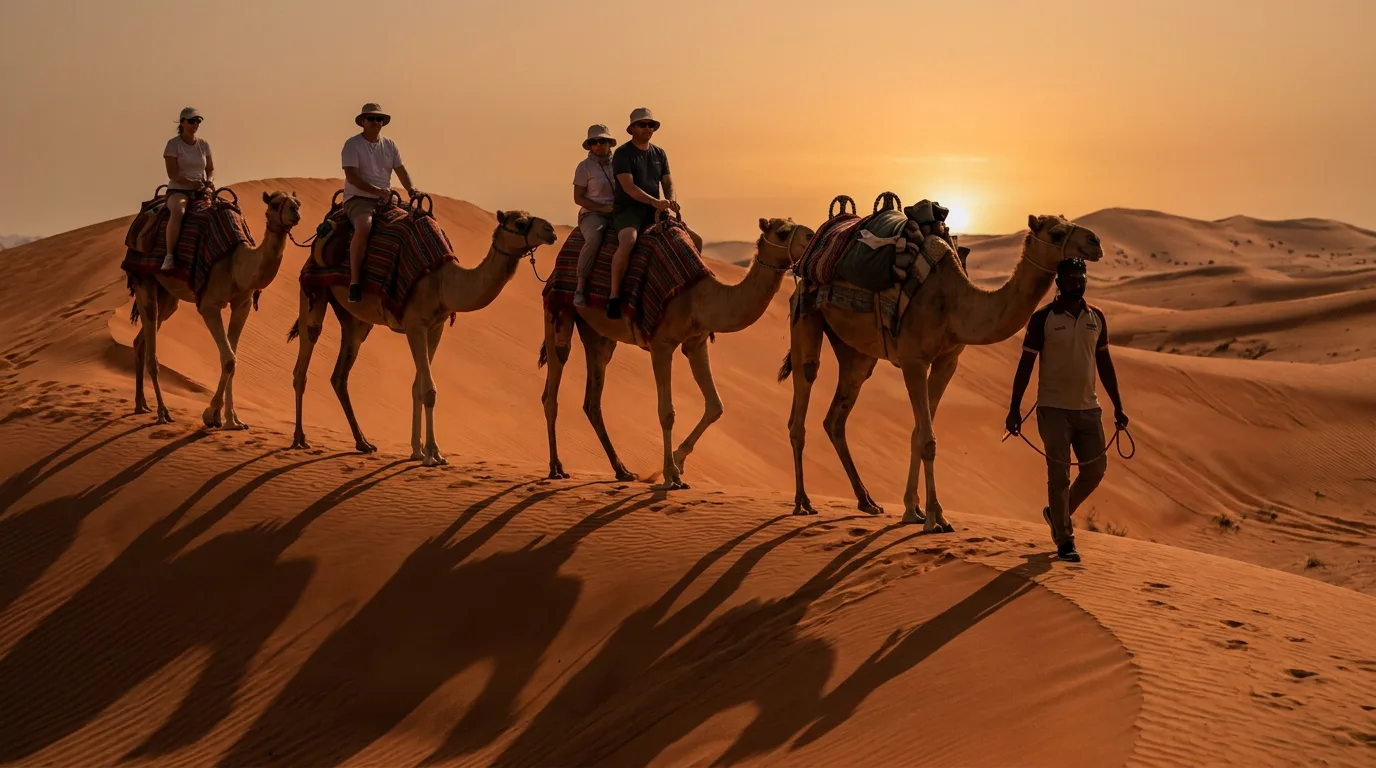
An evening safari typically includes a set of activities after the dune drive. These can range from a short camel ride and henna painting to a full buffet dinner with soft drinks or tea. Some packages also include a falcon show, a fire show or a traditional dance performance. The more activities included, the higher the price.
Read the fine print. Some budget packages offer a basic dinner and a few activities, while premium options include a wider menu, unlimited soft drinks and a separate dining area. If you are interested in photography, check whether the camp has good lighting and whether the guide stops at scenic viewpoints. A safari that promises "unlimited refreshments" may still charge extra for certain beverages. Always confirm what is included before you book.
Step 4: Look at the Duration and Timing
The length of the safari matters. A typical evening safari lasts about six to seven hours, including pickup and drop-off. A morning safari is usually around four hours. Overnight safaris can last up to 12 hours or more. Longer tours tend to cost more because they include more meals, more activities and more staff time.
Also consider the pickup location. If you are staying in a hotel far from the desert, the travel time adds to the overall duration. Some operators charge a small supplement for pickups from remote areas. Ask about the pickup radius before you compare prices.
Step 5: Review the Dining Arrangements
Dinner is often the main event of an evening safari. The quality and variety of the food can vary greatly between operators. Some offer a simple buffet with a few dishes, while others provide a more elaborate spread with live cooking stations. Vegetarian, vegan and halal options are common, but always check if they are available.
The dining setting also matters. Some camps have open-air seating with cushions on the sand, while others offer shaded tables and chairs. If you are visiting during the hotter months, air-conditioned dining areas are a plus. A safari that includes a barbecue dinner with freshly grilled meat will usually cost more than one with a standard buffet.

Step 6: Consider the Group Size and Atmosphere
Group size affects both the price and the experience. Shared safaris can have anywhere from 10 to 30 people in the camp. This creates a lively, social atmosphere but can also feel crowded. Private safaris limit the group to your own party, which gives you more space and a quieter evening.
If you prefer a more intimate experience, look for operators that cap group sizes or offer a premium camp with fewer guests. These options cost more but can be worth it for a relaxed evening. For those who enjoy meeting fellow travellers, a larger group can add to the fun and keep costs low.
Step 7: Compare Reviews and Reputation
Price alone does not tell you the full story. Read recent reviews from guests who have taken the safari you are considering. Look for comments on the quality of the dune drive, the condition of the vehicles, the friendliness of the guide and the taste of the food. Also check how the operator handles cancellations, delays or bad weather.
A safari that costs a little more but has consistently excellent reviews is often a better value than a cheap option with mixed feedback. Reputation matters, especially in an experience where safety and comfort are important. One reliable choice is Classic Desert Safari, which has built a solid name among travellers looking for a well-organised evening in the dunes. Their packages are known for balancing quality and affordability, making them a good benchmark when comparing other operators.
Step 8: Watch for Hidden Fees and Extras
Some operators advertise a low base price but add fees later. Common extras include a supplement for pickup from certain hotels, a charge for using a credit card, a fee for booking a private vehicle, or an extra cost for activities like quad biking or sandboarding. Always ask for the total price including all taxes and fees before you confirm.
Also check the cancellation and refund policy. Some safaris are non-refundable, while others offer a full refund if you cancel a day in advance. A flexible policy can save you money if your plans change. A safari that seems cheap might become expensive once you add the extras, so always calculate the final total.
Step 9: Trust Your Instincts
After you have compared the type, vehicle, inclusions, duration, dining, group size, reviews and hidden fees, you will have a clear picture of what each price represents. The right choice is the one that matches your budget without sacrificing the experiences you care about most.
For many visitors, the sweet spot is a mid-range evening safari from a reputable operator. It offers a solid mix of adventure, culture and comfort without the premium price tag of a private tour. If you are booking with a company like Classic Desert Safari, you can expect a consistent standard that has been refined over years of serving guests from around the world.
Ultimately, the best desert safari Dubai price is the one that gives you the memories you want without leaving you wishing you had spent a little more or a little less. Take your time, ask questions and book with confidence.
Classic Desert Safari on social media
 Twitter
 Facebook
 Instagram
 YouTube
 Pinterest